 Christophe Pronier
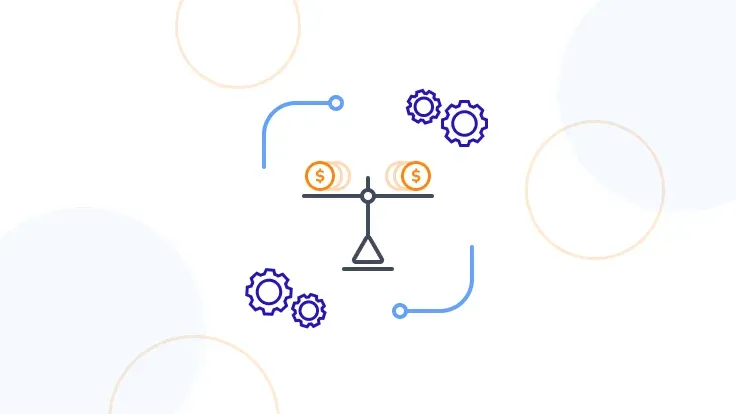
Deploying a WAF takes minutes. Managing one takes years, and a team that never quite stops tuning it. This is the disconnect most organizations don’t price at purchase: the WAF isn’t a product you install, it’s a system you operate, and the operating is where the cost lives. Rule updates as threats evolve, false positives that reappear with every release, vendor-specific quirks, policy consistency across environments, and the slow accumulation of rules nobody remembers the reason for.
This is a guide for teams who already own a WAF, or several, and have hit the management wall. Not a buyer’s guide for picking a different one, and not a pitch to outsource the whole thing, but a practical look at what WAF management actually involves, why it gets harder over time rather than easier, and what a better approach looks like for teams that want to keep control without drowning in the operational burden.
What Does WAF Management Actually Involve?
WAF management is everything that happens after deployment, and it’s a longer list than most teams budget for. Ongoing rule tuning to keep false positives down. Updating managed rule sets as the threat landscape shifts. Writing and maintaining custom rules for your specific application. Reviewing WAF logs and events. Responding to incidents. Keeping policies consistent across environments or across providers. Documenting every change so the next person understands it. And generating compliance evidence when the auditors arrive.
None of that is the deployment. All of it is the job. The gap between how simple a WAF looks in a demo and how much work it takes to run well is where most teams’ frustration originates, because the purchase decision was made against the demo and the operational reality arrived later. And the workload doesn’t distribute evenly across a team; it tends to concentrate on the few people who understand the configuration, which makes the whole function fragile in a way that rarely shows up until one of them is unavailable.
Why WAF Management Gets Painful Over Time
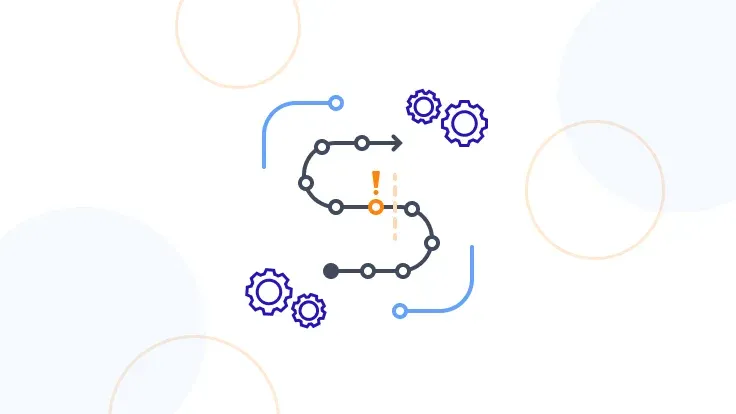
The difficulty isn’t constant. It compounds, for five reasons that feed each other.
Rule Sprawl and Complexity
As your application evolves, custom rules accumulate one at a time. Legacy exceptions from past incidents stay active. Rules get added under pressure and never reviewed. Six months in, nobody can fully explain why half the policy exists, and the rule set has become a fragile artifact everyone is slightly afraid to touch. The sprawl doesn’t announce itself; it just quietly raises the risk of every future change until the team stops making changes they should.
False Positive Tuning Is Never Done
Tuning is a permanent negotiation between security and usability, not a task you complete. Every application update, every new feature, every shift in user behavior can introduce new false positives, and the teams that treat tuning as a one-time setup drift toward one of two failure states: a WAF loose enough to wave real attacks through, or strict enough to block paying customers. Staying in the useful middle requires continuous attention that competes with everything else on the team’s plate.
Vendor-Specific Knowledge Requirements
Every WAF vendor has its own rule syntax, configuration interface, logging format, and quirks. Run Cloudflare and Akamai and you need two distinct bodies of expertise, and that expertise is hard to hire for and easy to lose when the one engineer who has it leaves. Your ability to manage the WAF becomes hostage to specialized, vendor-specific knowledge that lives in a small number of heads.
No Unified View Across Providers
Teams running multiple WAFs have nowhere to see their complete security posture at once. Each vendor dashboard shows one slice, and comparing rule coverage across them, identifying gaps, or confirming consistency is manual work that, realistically, rarely happens. So the providers drift apart, and the posture becomes whatever the least-attended vendor happens to be enforcing.
Changes Without Context
A rule modified during a 2 AM incident loses its context the moment the incident closes. Why was it made? What traffic was it responding to? Was it meant to be temporary? Without the answers, every future review of that rule is guesswork, and guesswork about a security control is exactly the condition under which people either leave dangerous rules in place or remove load-bearing ones by mistake.
Managed WAF vs Self-Managed: The Trade-Off
Faced with this, most teams see two options, and both cost something real.
A fully managed WAF service, from providers like Indusface, Fortra, or Aptum, hands the tuning, monitoring, and rule updates to someone else’s SOC. The burden lifts, and so does your visibility and control. You no longer own your security policy in any operational sense, which is a genuine problem for teams in regulated industries, teams with complex multi-vendor stacks, or anyone who needs to answer precisely for what their WAF is doing and why. Outsourcing the work also outsources the understanding.
Self-managed means your team keeps everything: full control, full visibility, and the full operational burden, which scales with rule complexity and provider count. Without the right tooling, that burden eventually outgrows the team, and you’re back to the pain the managed service was trying to solve, just with more control over it.
There’s a third option the SERP mostly ignores, and it’s the one this article is really about: keep control, and use an intelligent platform to carry the operational weight. Not a service that takes your WAF away, and not raw dashboards that leave you unaided, but tooling that understands your configuration, translates vendor-specific complexity, and gives your team answers on demand. You own the policy; the platform makes owning it sustainable. This is the Lelops Advise approach, and the rest of the article describes what it looks like in practice.
What Effective WAF Management Looks Like in Practice
Strip away the category labels and here’s what good WAF management actually delivers, day to day.
Your Team Can Query the Configuration in Plain Language
Instead of digging through vendor documentation or waiting on the one person who understands the setup, any team member can ask how a specific rule works, what it protects against, and whether it’s still relevant, and get an answer grounded in the live configuration. This is what dissolves the knowledge silo that makes so much WAF management fragile. Expertise stops being a bottleneck the moment the configuration can explain itself.
Rule Changes Come with Full Context
Every modification is tracked with what changed, who changed it, when, and why, so that revisiting a rule six months later is reading a record rather than reconstructing a mystery. The context is what makes a rule safe to modify, because you can see its intent instead of guessing at it, and safe-to-modify is the property a sprawling rule set most badly needs.
Cross-Vendor Rule Translation Is Handled
When you need to replicate a Cloudflare rule in Akamai, the translation happens accurately without an afternoon of documentation research, because the rule logic is mapped between vendors so the intent survives the difference in syntax. For multi-vendor teams, this is the single biggest lever on consistency, since inconsistent protection across providers usually comes down to translations that were too tedious to do carefully by hand.
Proactive Recommendations Based on Live Traffic
Good WAF management doesn’t only answer questions you think to ask. It continuously scans your setup against current traffic, identifies gaps, and suggests specific improvements with the reasoning behind each one, so the policy gets stronger the longer it runs rather than slowly rotting. The shift from a tool you interrogate to one that surfaces what you didn’t know to look for is where management stops being purely reactive.
Compliance Evidence Is Generated Automatically
For teams facing audits, WAF management should produce audit evidence of continuous enforcement, not just proof that a WAF exists but a record of every rule, every change, and every check across the whole period. That turns the pre-audit scramble into an export, and it turns “we have a WAF” into “here is exactly what it did, every day, for the last quarter.”
How to Evaluate a WAF Management Platform
If you’re comparing platforms, the evaluation comes down to a short set of concrete questions, and the answers separate a real WAF management platform from a dashboard with ambitions. Does it work with your actual WAF providers, Cloudflare, Akamai, Fastly, AWS WAF? Can your team query the configuration without vendor-specific expertise? Does it track and contextualize every rule change rather than just logging that one occurred? Does it translate rule logic between providers accurately? Does it proactively suggest improvements based on live traffic instead of waiting to be asked? And does it generate audit-ready compliance reports on demand?
A platform that answers yes across those keeps you in control while making that control sustainable, which is exactly the middle path between outsourcing your WAF and drowning in it. Lelops Advise was built for this: it understands your WAF configuration across every connected provider, answers questions in plain language, carries the change context, translates rule logic between vendors, and surfaces recommendations from your live traffic, so your team manages the WAF instead of being managed by it.
Lelops Advise understands your WAF configuration. Ask anything, get instant answers on what to cut, tune, or secure, across every provider in your stack: lelops.ai/product/advise
FAQ
What is WAF management?
WAF management is the ongoing operational work of running a web application firewall after deployment, including tuning rules to reduce false positives, updating managed rule sets as threats evolve, maintaining custom rules for your application, reviewing events, keeping policies consistent across providers, documenting changes, and producing compliance evidence. It is distinct from the initial purchase and deployment, and it is where the real cost and effort of a WAF concentrate, which teams frequently underestimate when they buy.
Why is managing a WAF harder than deploying one?
Deployment is a one-time action, while management is continuous and compounds over time as rules accumulate, false positives recur with every application change, and vendor-specific complexity multiplies across providers. The threat landscape keeps shifting, so rules that were correct last quarter need revisiting, and undocumented changes made during incidents erode the team’s understanding of its own configuration. The result is that the operational burden grows steadily long after the WAF is live.
What is the difference between a managed WAF service and a WAF management platform?
A managed WAF service outsources tuning, monitoring, and rule updates to a third-party provider’s team, which reduces your burden but also removes your visibility and control over your own security policy. A WAF management platform instead keeps your team in control while giving them tooling to manage the WAF more effectively, such as plain-language configuration queries, change context, cross-vendor translation, and automated compliance evidence. The service does the work for you; the platform makes doing the work yourself sustainable.
How do I manage WAF rules across multiple providers?
Managing rules across providers requires a single view of your configuration across all of them and a reliable way to translate rule logic between different vendor syntaxes, since a rule written for Cloudflare does not automatically or accurately port to Akamai by hand. Without unified visibility, providers drift into inconsistent protection where the same rule is enforced on one and missing on another. A management platform that normalizes configuration across vendors and handles translation is what makes consistent multi-provider management practical.
What should I look for in a WAF management tool?
Look for native support for your specific WAF providers, the ability for any team member to query the configuration in plain language, full tracking and context for every rule change, accurate cross-vendor rule translation, proactive recommendations based on live traffic, and automated audit-ready compliance reporting. The underlying test is whether the tool keeps you in control while removing the operational burden that makes self-managed WAFs unsustainable, rather than either taking over your policy or leaving you with unaided vendor dashboards.